
Invasive Species Week 2026: Protecting Scotland’s Canals
Scotland’s canals are rich, living ecosystems and home to a wide range of native plants, animals and habitats. But they are increasingly under threat from invasive non-native species (INNS).
Introduced - often accidentally - by human activity, these species can spread rapidly, outcompete native wildlife, damage infrastructure, and disrupt the balance of our waterways.
As part of Invasive Species Week, we’re shining a light on some of the species impacting Scotland’s canals and what makes them such a challenge.
🌱 Invasive Plants
Japanese Knotweed
A fast-growing plant with bamboo-like stems, Japanese knotweed can quickly dominate canal banks. Its aggressive root system can damage paths, walls, and nearby structures, making it both an ecological and structural concern.
Giant Hogweed
Recognisable by its large spiky leaves, tall stems and large white flower heads, giant hogweed is hazardous to human health. Its sap can cause severe skin burns when exposed to sunlight, while its spread crowds out native vegetation where it grows.
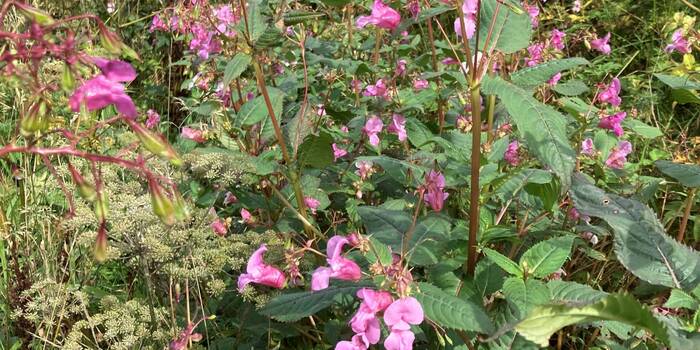
Himalayan Balsam
This pink-flowered plant might look attractive, but it spreads rapidly and shades out native canal plants. In winter, it dies back completely, leaving banks bare and vulnerable to erosion.
New Zealand Pygmy Weed
A highly invasive aquatic plant, pygmy weed forms dense mats in and around water. These mats reduce oxygen levels, smother native species, and can clog up waterways.
Floating Pennywort
This fast-growing aquatic plant can double in size in just days during warm weather. It forms thick carpets across the water’s surface, restricting light, reducing oxygen, and impeding navigation. (It’s not known to be present on our canals but please keep an eye out for new invasions.)
Water Fern (Azolla)
A small floating fern that can quickly blanket the water’s surface, water fern blocks sunlight and reduces oxygen in the canal. This can severely impact fish and other aquatic life.
Skunk cabbage
Skunk cabbage is an invasive non-native plant that spreads rapidly in wet areas, outcompetes native vegetation, alters canal-side habitats, and is difficult and costly for Scottish Canals to control once established.
🦐 Invasive Animals
There are currently no invasive animals in Scottish canals, however, the below is an example of the types that could appear.
Zebra Mussel
Small but highly disruptive, zebra mussels attach themselves to hard surfaces including boats and canal infrastructure. They filter large amounts of water, altering ecosystems and clogging pipes and equipment. (It’s not known to be present on our canals but please keep an eye out for new invasions.)
Signal Crayfish
Introduced for aquaculture, signal crayfish outcompete native crayfish species and can damage canal banks through burrowing. They also prey on fish eggs and aquatic plants, disrupting the food chain. (It’s not known to be present on our canals but please keep an eye out for new invasions.)
Killer Shrimp
Despite their small size, killer shrimp are aggressive predators. They consume a wide range of aquatic life, outcompeting native species and significantly altering canal ecosystems. (It’s not known to be present on our canals but please keep an eye out for new invasions.)
💧 How You Can Help
Everyone using Scotland’s canals has a role to play in preventing the spread of invasive species:
Check, Clean, Dry boats, equipment and clothing
Avoid transferring plants or animals between waterways
Report sightings of invasive species on the canal network where possible enquiries@scottishcanals.co.uk with subject 'Invasive Species', a photo, date and What3words location or via : Invasive non-native species | Scotland's environment web
🌊 Protecting Our Waterways
At Scottish Canals, we’re committed to protecting and enhancing the biodiversity of our network - from towpaths to canal channels and reservoirs and beyond. By working together, we can help ensure our canals remain thriving, healthy spaces for both wildlife and communities.