
Kelvin Aqueduct Repair Plan and Reopening Date Announced
Scottish Canals is conducting a major programme of investigation, design and repairs on the historic Kelvin Aqueduct in Maryhill, Glasgow, together with contractor Mackenzie Construction. Repair work has now begun and this section of the canal will reopen on 1st March 2027.
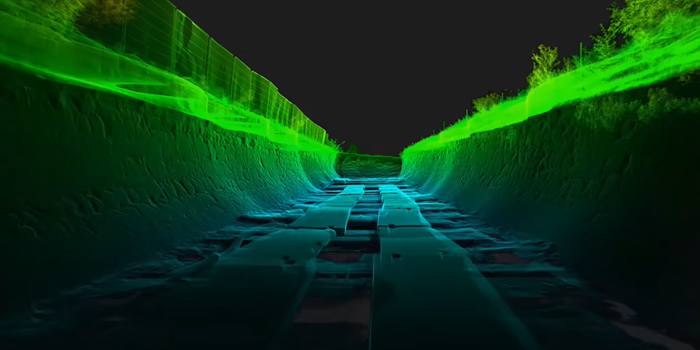
Scottish Canals is conducting a major programme of investigation, design and repairs on the historic Kelvin Aqueduct in Maryhill, Glasgow, together with contractor Mackenzie Construction.
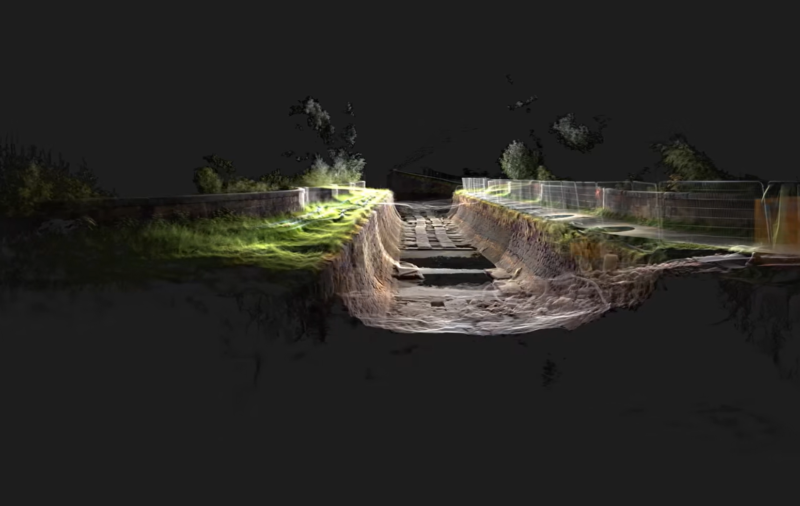
The 236-year-old structure, which carries the Forth & Clyde Canal over the River Kelvin, began to leak towards the end of 2024. Since that time, we have dewatered the aqueduct’s trough, desilted the base of the trough, and conducted in-depth investigations of the structure, including building a digital twin.
The work has been challenging, with ingress of water into the trough on multiple occasions and much to learn about the structure which has been submerged underwater.
We have found out a lot about the approaches to design and construction used by the aqueduct’s 18th century builders, led by visionary engineer Robert Whitworth.
Part of the process of designing a permanent repair programme is to agree the approaches to works with Historic Environment Scotland (HES) and to obtain consents for the works.
The aqueduct is a listed structure, as well being a crucial operational asset on our network. It is also an important monument to Scotland’s outstanding history of civil engineering leadership with a lot to tell us about our heritage and past. This means that repairs and additions need to be sympathetic to the existing structure.
With this process now completed, we are embarking upon the repair phase of the programme.
Repair Programme
The repair programme will run to 1st March 2027, the date when we intend to have completed all repairs and rewatered the canal ready for resumption of navigation.
The programme will comprise:
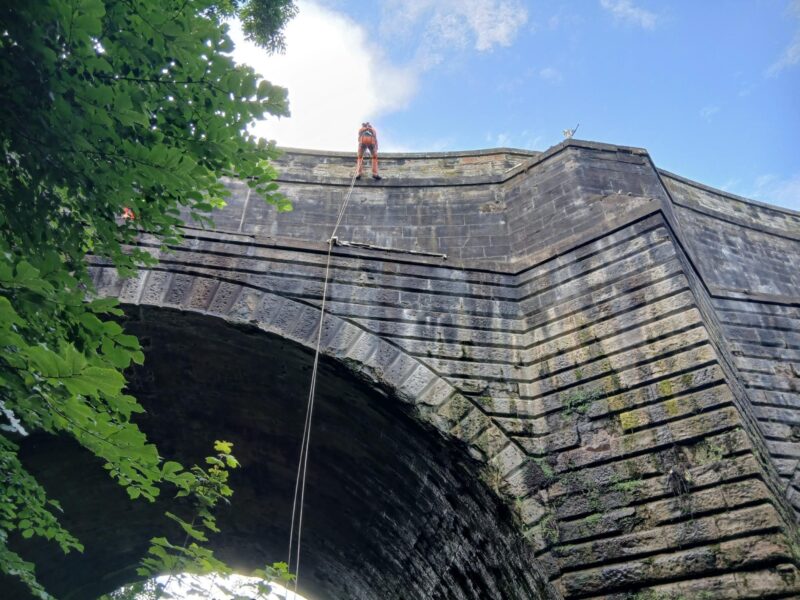
- Removal of the trees and vegetation from the underside and external walls of the structure (already begun) by rope-access technicians.
- Installation of anchorage points to simplify future maintenance and vegetation removal.
- Repointing the masonry to stop the leakage routes through the structure.
- Bentonite grout injection – this involves pumping a clay mix into the masonry. The clay swells in contact with water to block leaks, remaining soft enough that it is unlikely to dry out and crack at a later date.
- Re-instatement of the puddle clay liner.
- Conservation works to protect the historic timber structure discovered at the base of the aqueduct trough (which we believe was designed to protect the puddle clay from the deep hulls of the original sailing ships that passed through the aqueduct).
- We also hope to Install stop plank grooves for temporary damming of the structure in the future, which will be a less disruptive way of working on the aqueduct.
Visit the project page for further updates and contact details
Public Exhibition - The History of Canal Engineering in Maryhill
You can find out about the history of canal engineering in Maryhill, including the Kelvin Aqueduct, and our current projects at Maryhill Burgh Halls, where we have a joint exhibition running with the venue up to 11th October 2026.
Scottish Canals Parliamentary Reception, 1st October 2026
On Thursday 1st October, Scottish Canals held a reception at the Scottish Parliament to mark and celebrate the 25th anniversary of the Millennium Link project. This £83.5 million project reconnected Scotland's Lowland canals, rescuing them from dereliction and unlocking public value and benefits for generations to come.
Maryhill exhibition brings 240 years of canal engineering history to life
A new exhibition, entitled Every Picture Tells a Story, opened at Maryhill Burgh Halls on Thursday 13th August.
Scottish Canals extends major engineering programme on the Forth & Clyde Canal in Falkirk
Scottish Canals has announced an extension to its largest programme of canal engineering works in 25 years.